A rug can change the look and feel of an entire room. It can add warmth, define an area, protect flooring, and bring furniture and colours together.
However, choosing the right rug involves more than finding a pattern you like. Size, placement, material, colour, room type, and everyday use all matter. This guide will help you choose a rug that fits your space and works with the way you use your home.
A well-chosen rug helps make a room feel complete. It can create a visual connection between furniture while adding comfort and texture underfoot.
The right choice also depends on where the rug will be used. A living room may need a larger decorative rug, while an entrance may benefit from a practical mat designed for regular foot traffic.
Before choosing a rug, consider:
Before choosing a colour or design, measure the area where you plan to place the rug. A rug that is too small can make furniture look disconnected, while one that is too large may overwhelm the room.
Consider the position of your furniture when measuring. Decide whether the rug should sit completely beneath the furniture, partially underneath it, or within an open area.
It is also useful to mark the proposed rug dimensions on the floor before purchasing. This can help you visualise how much space it will cover.
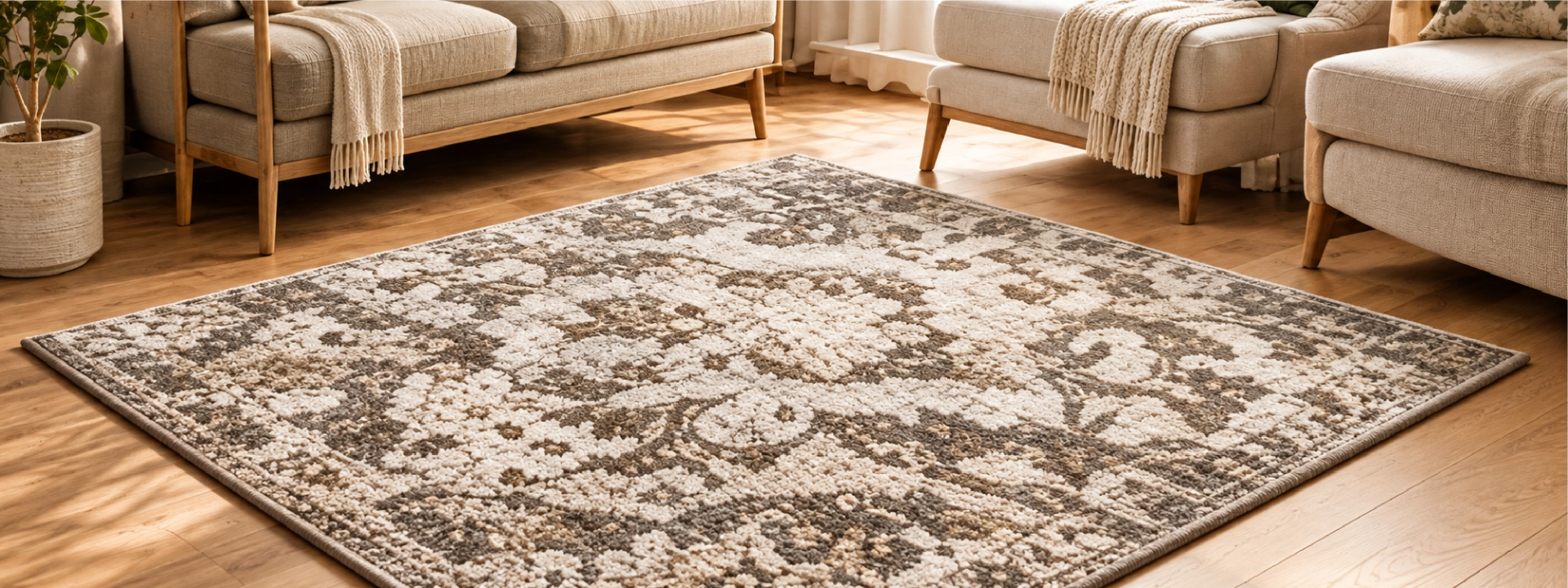
The living room is one of the most common places to use a rug. A well-sized rug can visually connect the sofa, chairs, coffee table, and other furnishings.
For larger rooms, a rug that extends beneath the main furniture can create a unified seating area. In smaller rooms, placing the front legs of the sofa and chairs on the rug can also create a balanced look.
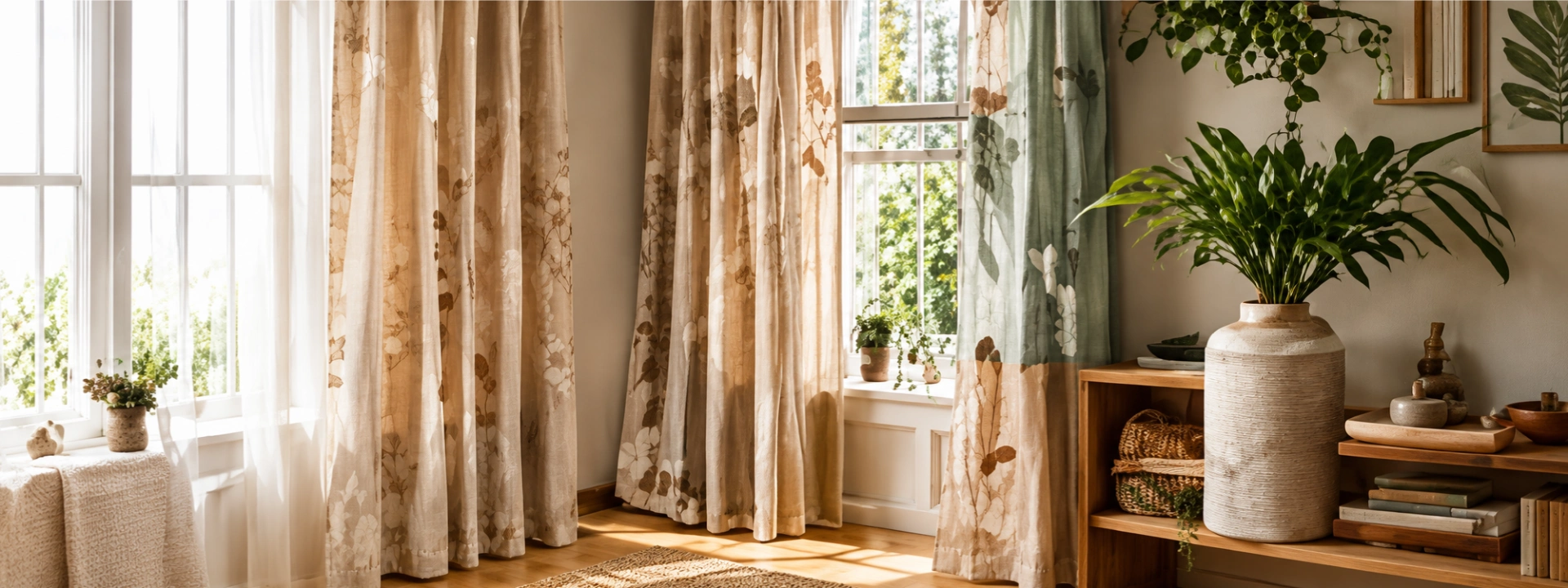
Look at your sofa, cushions, curtains, and other furnishing accessories before selecting a rug. The rug does not need to match these items exactly.
Instead, choose colours or textures that complement the existing interior. A neutral rug can balance colourful furniture, while a patterned rug can add interest to a simpler room.
A bedroom rug can make the space feel warmer and more comfortable. Placement is particularly important because you may want a soft surface beside the bed.
A larger rug can be positioned partially or fully beneath the bed. Smaller rugs can also be placed along either side of the bed where additional coverage is needed.
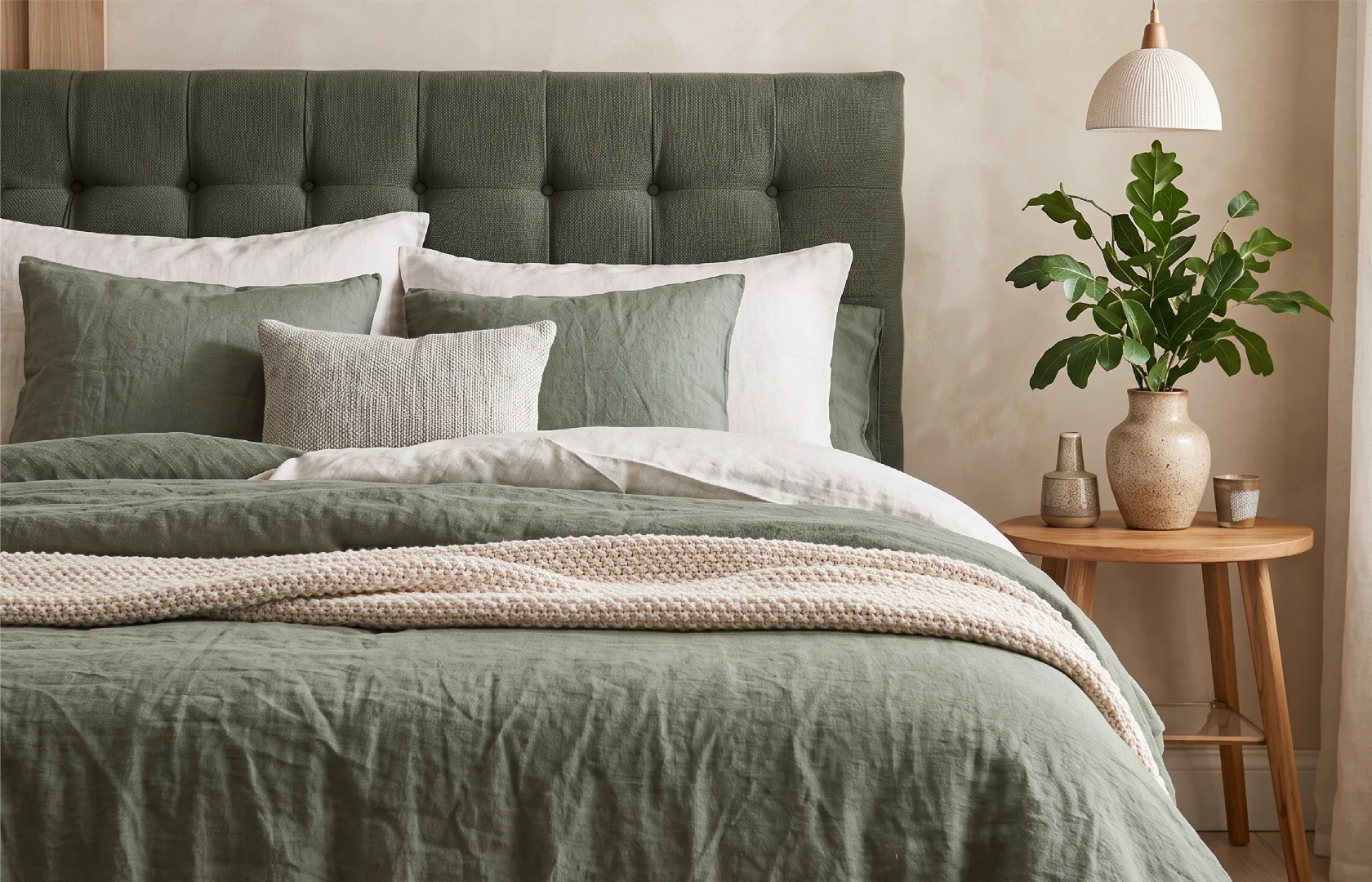
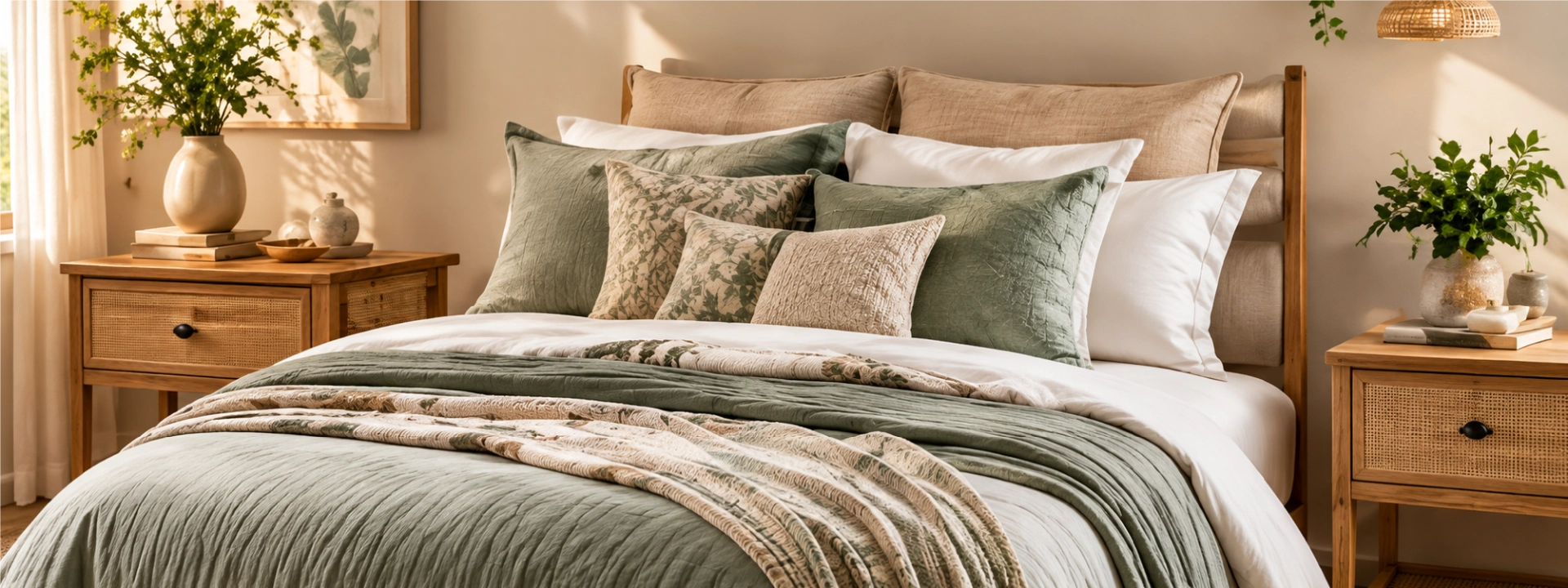
Consider the colours and textures already used in your bed sheets, duvet covers, pillowcases, bedspreads, and curtains.
If your bedding contains strong patterns, a simpler rug may provide balance. If your bedroom uses mostly neutral textiles, a textured or patterned rug can add more visual interest.
Entryways experience regular foot traffic, so practicality should be a priority. An entryway mat can help define the entrance while providing a practical surface near the door.
Choose a size that works with the available floor area without interfering with the movement of the door.
The material should also be appropriate for frequent use and easy maintenance.
Non-slip mats can be useful in areas where additional grip and stability are important. They may be suitable for selected entrances, high-use spaces, or other areas where movement on the floor needs to be reduced.
Always choose a product designed for the intended flooring type and follow the manufacturer’s usage instructions.
A rug pad or suitable non-slip backing may also help keep some rugs more securely positioned.
Rug size has a major effect on how balanced a room feels. Before buying, measure both the room and the furniture arrangement.
Common considerations include:
Avoid choosing a rug based only on standard sizes. Measure your actual space first.
In a living room, the rug should visually connect the main seating area. Depending on the room size, furniture can sit completely on the rug or have only the front legs positioned on it.
The important point is to create a clear relationship between the rug and furniture rather than leaving the rug looking isolated in the middle of the room.
For bedrooms, consider how far you want the rug to extend beyond the bed.
A larger rug can provide coverage on both sides and at the foot of the bed. Smaller bedroom rugs can be used when you only want softness in specific areas.
Different rug materials provide different textures, appearances, and maintenance requirements.
When comparing materials, consider how the room will be used rather than choosing based only on appearance.
Natural-fibre rugs can introduce texture and a relaxed appearance. Different fibres have different characteristics, so check the individual product specifications and care requirements.
Synthetic materials can offer practical options for frequently used spaces. Depending on the specific material and construction, they may provide different levels of softness, durability, and ease of maintenance.
Blended rugs combine multiple fibres to achieve particular textures or performance characteristics.
Always review the material composition before purchasing so you understand what the rug is made from and how it should be maintained.
Rug colour can influence the overall mood of a room. Neutral colours often create a calm and versatile foundation, while stronger colours can turn the rug into a visual feature.
Look at the colours already present in your:
You do not need to match everything exactly. Repeating one or two colours from elsewhere in the room can create a more connected appearance.
Both plain and patterned rugs can work well. The best choice depends on how much visual detail is already present in the room.
If your curtains, cushions, or furniture use strong patterns, a simpler rug may create better balance. If the room is minimal and neutral, a patterned rug can introduce character.
Think about the room as a complete design rather than evaluating the rug separately.
Where the rug will be placed should influence your decision.
Living rooms, entrances, and other frequently used spaces may need rugs suited to regular foot traffic. A bedroom rug may experience less intensive use and can therefore be selected with different priorities.
Consider how often people walk across the area and how frequently the rug may need cleaning.
A beautiful rug should also be practical for your home. Before buying, check its cleaning and care instructions.
Some rugs may require professional cleaning, while others may allow easier routine maintenance. The correct method depends on the rug’s material and construction.
Consider:
Following the manufacturer’s care guidance can help maintain the rug’s appearance.
A rug can help connect different textile elements throughout a room.
For example, a living room rug can complement sofa cushions, curtains, and decorative fabrics. In a bedroom, the rug can work alongside bedding, curtains, and bed runners.
The goal does not need to be perfect matching. Similar colours, textures, or patterns can create visual consistency while allowing each item to have its own character.
Choosing a rug becomes easier when you know what to watch for.
Avoid:
Taking measurements and considering how the room is used can prevent many of these issues.
Before making your final choice, ask:
These questions can help narrow your options before you choose a final design.
There is no single rug style that works everywhere in a home.
A living room rug can help define the main seating area. A bedroom rug can introduce softness and warmth around the bed. An entryway mat provides a practical textile surface near the entrance, while a non-slip mat may be useful where additional stability is required.
Choose each product according to the function and dimensions of the space rather than trying to use the same solution throughout your home.
The right rug should balance size, comfort, appearance, and everyday practicality. Start by measuring your space, then consider furniture placement, material, colour, foot traffic, and maintenance.
A carefully selected rug can help define a room and connect it with other home textiles. Whether you are choosing a living room rug, bedroom rug, entryway mat, or non-slip mat, focus on what works best for the space and how it will be used.